Transform Your Space: Vital Details On Residential Improvement Projects for Each House Owner
Residents commonly search for methods to enhance their residences by using renovation services. These projects can range from kitchen upgrades to full house remodeling. Knowing the choices accessible is crucial for making informed decisions. Additionally, there are tangible aspects including financial planning and choosing the right builder. As homeowners commence on this journey, they may find themselves facing surprising obstacles. The key to a successful transformation depends on meticulous preparation and execution. Which actions should follow?
Knowing the Various Categories of Residential Renovation Work
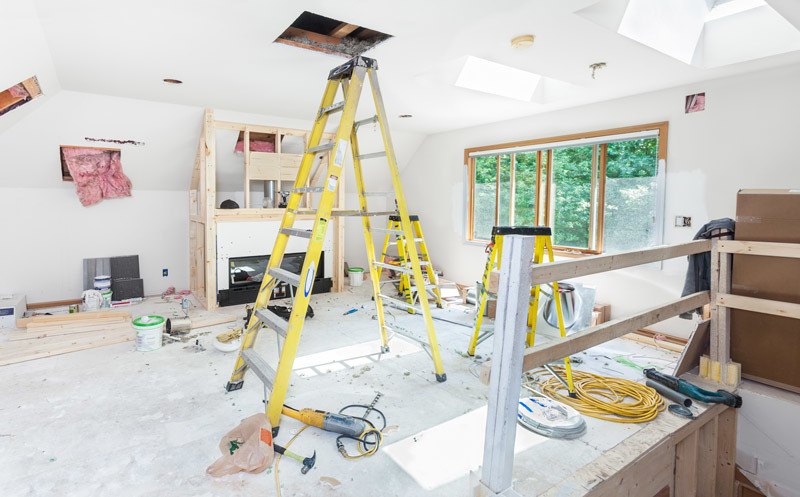
When homeowners consider renovating their living spaces, they frequently come across a variety of remodeling services tailored to different needs and preferences. These projects are generally grouped into several types, each focusing on particular areas of house upgrades. Renovating the kitchen involves updating appliances, cabinetry, and floor plans to improve usability and aesthetics. Bathroom upgrades generally mean upgrading fixtures, tiling, and organizational units for better convenience and style.
Full-house renovation covers significant changes throughout the residence, often including structural alterations to maximize the area and movement. Outdoor renovation projects, on the other hand, aim to improve the property's street view, dealing with the cladding, the roof, and the yard. Additionally, specialized services like basement finishing and loft remodeling help residents make the most of underutilized spaces. All these service types offers unique benefits, allowing property owners to select choices that fit their desired outcome for their living environment. Understanding these distinctions is crucial to making informed decisions throughout the remodeling project.
Setting a Realistic Budget for Your Renovation Undertaking
How do property owners make certain their home upgrades are kept economically sound? Setting a practical budget is essential. Property owners must start by determining their fiscal limits, covering savings and possible funding sources. This preliminary action helps establish the amount that can be set aside for the renovation without jeopardizing other monetary duties.
Afterward, those undertaking the remodel should research the costs associated with their desired renovations, including materials, labor, and surprise expenses that tend to crop up. Developing a comprehensive priority list aids in separating necessities from non-essential items, enabling modifications if the finances are strained.
It is prudent to set aside an emergency fund, typically around 10-20% of the total budget, to account for surprise expenditures. Frequently checking and modifying the budget as the updating work progresses can also help maintain financial control. Finally, a thoroughly prepared budget ensures the project is feasible but also improves the entire renovation process for those living in the home.
Selecting the Appropriate Contractor for Your Needs.
Choosing the appropriate professional can significantly affect the outcome of an updating effort. Property owners ought to start by doing comprehensive research, looking for suggestions from acquaintances, relatives, or web feedback. It is crucial to check qualifications, including licenses, insurance, and bonding, to establish credibility.
Once potential contractors are identified, property owners must ask for comprehensive quotes and schedules, facilitating well-grounded side-by-side evaluations. Meeting with them offers a look at their manner of communicating and their professional conduct, which are essential for a collaborative process.
In addition, looking at completed jobs through galleries or recommendations demonstrates the professional's skill level. Homeowners should also inquire about warranties or guarantees, reflecting the contractor's confidence in their work.
Finally, picking a builder whose approach fits the property owner's ideas, cost plan, and timeframe creates a better renovation journey, guaranteeing that the project meets expectations and transforms the living space effectively.
Structuring and Laying Out Your Perfect Area.
As those renovating imagine their desired rooms, careful planning and thoughtful design become essential components of a successful remodeling project. The first step involves evaluating current needs and future aspirations, to gain a complete comprehension of the area's utility. Owners must take into account practicality, aesthetics, and their individual taste, making sure the design captures their distinctive choices.
Subsequently, establishing a thorough budget is crucial. This budget should accommodate supplies, labor, and potential unforeseen expenses. Engaging with design professionals can offer helpful perspectives, helping to optimize the space and respecting budgetary constraints.
Incorporating elements like natural light, open layouts, and eco-friendly supplies can improve the final result. Finally, visualizing the project through drawings or computer models can aid in refining ideas prior to construction. When handling the initial design phase deliberately, homeowners can create an inviting, efficient space tailored to their lifestyle.
Dealing with Permits and Building Codes in Residential Projects
Familiarizing oneself with the red tape and requirements can be daunting for homeowners embarking on a renovation. Every local government sets particular guidelines that determine what is allowed during renovations, frequently shaped by area restrictions, building codes, and security requirements. Owners need to acquaint themselves with local regulations to prevent expensive penalties or setbacks in the timeline.
Typically, obtaining permits is crucial for significant alterations, such as modifying load-bearing elements or new wiring installations. This process usually necessitates providing designs for examination and may require inspections at multiple points.
Hiring an experienced builder can make this procedure easier, as they are typically experts in municipal rules and can aid in filing necessary forms. It is important for homeowners to communicate regularly with the municipal planning office to ensure adherence throughout the project. By grasping and navigating these regulations, homeowners can fulfill their improvement aims while ensuring safety and legality in their renovations.
Common Queries
How Long Does a Typical Home Remodeling Project Take?

A standard home renovation generally requires between three to six months, depending on the scope of work, size of the home, and supply chain status. More involved renovations might need extra time for completion.
What are typical errors you should steer clear of while undertaking a remodel?
Common mistakes during remodeling often involve miscalculating costs, ignoring necessary permits, overlooking timelines, poor communication with contractors, and ignoring long-term functionality. Knowing these potential problems often results in a less stressful, more positive renovation outcome.
How should I go about choosing the right materials for my project?
Selecting appropriate supplies requires assessing their resilience, the look and feel, and cost constraints. Investigating available choices, talking to specialists, and thinking about upkeep are vital steps in making informed decisions, ensuring the project aligns with personal and functional requirements.
Will I be able to reside in my property while the remodeling is happening?
It is possible to remain on the premises while work is ongoing, but it may lead to inconvenience. Careful planning, clear communication with contractors, and setting aside certain zones where you can live normally can lessen the stress while the work is underway.
What warranties should I expect by my builders?
Clients typically receive warranties that guarantee the quality of the work, materials, and the integrity of the structure, typically ranging from one to ten years. It is crucial to review specific terms and conditions with contractors to know the get started full extent of the guarantee and its restrictions.